Why Play is Used in Occupational Therapy
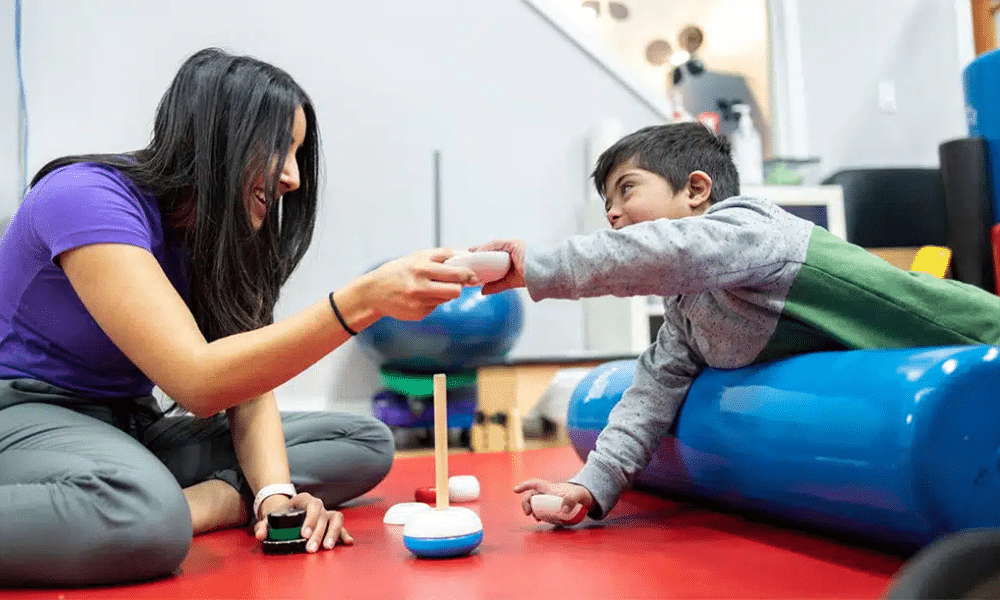
OTs use play therapy because it reflects how children naturally learn, explore, and communicate. During sessions, OTs utilize play as the child’s “primary occupation,” recognizing it as essential to participating in daily activities. It helps develop specific skills such as coordination, social interaction, and fine motor skills. By integrating therapeutic techniques into play, the clinic becomes a welcoming environment that children look forward to visiting. Ultimately, I discovered that play offers a universal way for children to develop interests and build the physical and mental strength they need, making sessions enjoyable.
What Is Observed During Play Therapy
As I watched sessions unfold, it became clear that play is the bridge between clinical goals and a child’s real-world success. For example, when children play with therapeutic putty by forming shapes or hiding small items inside, it improves hand dexterity and strength that can be transferred to skills needed for writing or using scissors. Additionally, during gym time, seeing children jump off a trampoline onto a target on the floor is an excellent way to develop body awareness. They learn to coordinate their limbs and judge how much force is needed for a successful landing. Through these meaningful moments of play, it becomes clear that what appears to be simple fun is intentionally guiding children towards greater independence and confidence in their daily lives!